
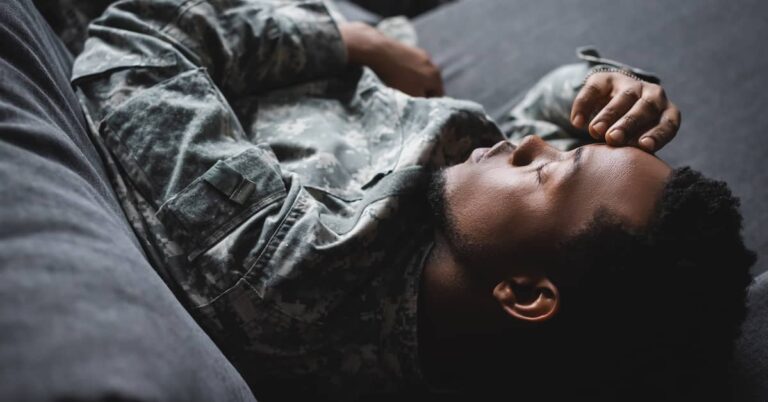
Sleep apnea is one of the most common conditions among former service members, especially those who have experienced the physical and psychological challenges of combat. In fact, research from the University of South Carolina and the University of Memphis found that combat veterans were more than seven times as likely to develop sleep apnea compared to their non-combat peers. Given these numbers, it’s no surprise that many veterans hoped the PACT Act would make qualifying for VA disability benefits easier.
However, while the PACT Act did expand the list of presumptive conditions linked to toxic exposure, sleep apnea did not make the cut. That doesn’t mean veterans are out of options. There are still ways to pursue compensation for service-related sleep apnea, even without presumptive status.
Understanding Presumptive Conditions
In VA terms, a presumptive condition is one that’s automatically assumed to be service-connected. In other words, if you meet certain service requirements and are diagnosed with a listed condition, the VA won’t make you prove how your military service caused it; it’s just presumed.
The PACT Act expanded the list of these presumptive conditions for veterans who were exposed to things like burn pits, Agent Orange, and other toxic substances. The idea was to make the claims process easier for veterans who developed certain health issues after serving in high-risk environments.
Is Sleep Apnea on the PACT Act’s Presumptive List?
Right now, no; sleep apnea is not included as a presumptive condition under the PACT Act. The Act does list a number of respiratory illnesses and cancers, but sleep apnea isn’t one of them. That means that if you’re dealing with sleep apnea, you’ll still need to show that it’s connected to your service through the standard claims process.
Can Veterans Still Get VA Disability for Sleep Apnea?
Yes, they can, and many do. Even though sleep apnea isn’t presumptive for the PACT Act, veterans can still qualify for benefits by proving either a direct service connection or a secondary connection to another service-related condition. Sleep apnea is regularly service-connected when the right evidence is in place.
How to Prove Service Connection for Sleep Apnea
Veterans generally have two main options when filing for sleep apnea benefits:
1. Direct Service Connection
This is when you show that sleep apnea began during your time in the military. To do this, you’ll need:
- A current sleep apnea diagnosis (usually confirmed through a sleep study)
- Proof of an in-service event, illness, or exposure that could have led to the condition
- A medical opinion, called a nexus, that links the two
Since sleep apnea often isn’t diagnosed until after a veteran leaves the military, it’s a good idea to include lay statements from people who noticed sleep apnea symptoms like loud snoring, choking during sleep, or daytime fatigue while you were still serving.
2. Secondary Service Connection
Sleep apnea can also be caused or worsened by another service-connected condition. This is known as a secondary claim. Common examples include:
- PTSD
- Anxiety or depression
- Chronic sinus issues
- Allergic rhinitis
- Obesity caused by another service-connected condition
In these cases, a medical provider needs to explain how your primary condition led to or made your sleep apnea worse. A solid nexus letter is especially important here.
What if Toxic Exposure Contributed to Sleep Apnea?
Even though sleep apnea isn’t listed as presumptive under the PACT Act, toxic exposure could still play a role in your claim. If you served in areas with known hazards, like Southwest Asia, Afghanistan, or anywhere near burn pits, you may be able to argue that your exposure contributed to your sleep apnea, especially if you also have other respiratory issues that are presumptive.
Medical studies, environmental reports, and expert opinions can all help build that connection.
How the VA Rates Sleep Apnea
Sleep apnea is rated by the VA based on how severe it is and what kind of treatment you need. Here’s a quick breakdown:
- 0%: You’ve been diagnosed, but your symptoms don’t impact your daily life
- 30%: You deal with ongoing daytime fatigue or sleepiness
- 50%: You need a CPAP machine or another breathing device
- 100%: You have chronic respiratory failure or need a tracheostomy
Most veterans who use a CPAP are rated at 50%. There has been talk about changing the rating criteria in the future, but for now, these ratings still apply, and any veteran already rated under the current rules will stay protected even if changes happen later.
Why a Sleep Study and Nexus Letter Matter
If you’re planning to file a claim for sleep apnea, a sleep study is essential. The VA needs official confirmation of the diagnosis.
In addition to the sleep study, you’ll want to get a medical nexus letter from a provider who’s familiar with VA claims. That letter should:
- Review your service and medical history
- Clearly explain how your sleep apnea is related to your service or another condition
- Be backed by medical reasoning or evidence
The stronger your nexus letter, the better your chances.
What If Your Claim Gets Denied?
Unfortunately, sleep apnea claims frequently get denied. Common reasons include:
- No formal diagnosis (usually because there was no sleep study)
- Not enough evidence from service records
- No nexus opinion from a doctor
- A big gap between service and diagnosis
If you’ve already been denied, you can still appeal. The VA offers a few different options:
- Supplemental Claim: Add new and relevant evidence
- Higher-Level Review: Ask for a fresh review by a more experienced VA adjudicator
- Board Appeal: Take your case to the Board of Veterans’ Appeals
Appeals are common and often successful, especially when you provide stronger evidence or clarify earlier points of confusion.
How to Build a Stronger Claim
Even though sleep apnea isn’t presumptive under the PACT Act, there are ways to improve your odds:
- Get diagnosed early, ideally within a year of leaving service.
- Ask family or fellow veterans to provide statements about your symptoms during service.
- Get a strong nexus letter that explains how sleep apnea is tied to your military experience or another service-connected issue.
- Work with a knowledgeable VA-accredited lawyer at VetLaw.
- Use PACT Act resources to document toxic exposures that may have played a role.
Talk to VetLaw About Your Sleep Apnea VA Claim for FREE
If sleep apnea is making your life harder and the VA isn’t giving you the support you deserve, you don’t have to fight the system alone. At VetLaw, we know how to break through red tape and push back on unfair denials. Whether the issue is a lack of service connection or a low disability rating, we know how to build a strong case on your behalf.
Call us today at (336) 355-8387 or fill out our contact form to schedule your FREE case review. Our veterans’ disability claims lawyers are here to help you move forward.
