
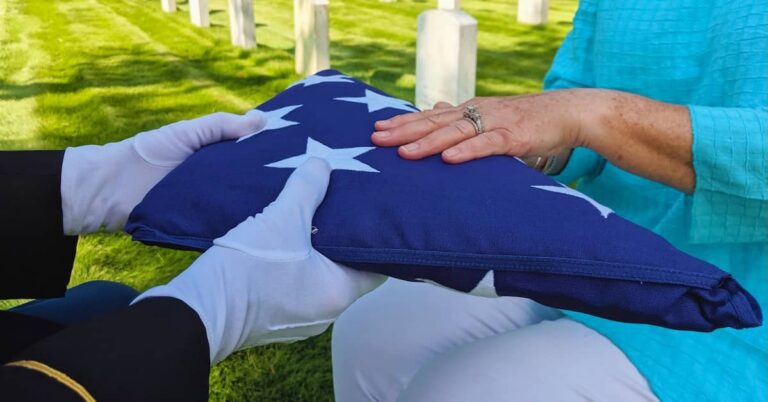
If you are a surviving spouse wondering whether Aid and Attendance benefits may be available to you, you are not alone. The cost of daily care can become overwhelming when a disability, illness, or age-related condition makes it difficult to manage everyday activities without assistance.
In some situations, a surviving spouse can receive Aid and Attendance benefits through the Department of Veterans Affairs (VA). These benefits are intended to help people who need regular assistance with personal care and daily living tasks. Understanding your eligibility can help you determine whether you may qualify for this financial support.
The VA-accredited attorneys at VetLaw focus on helping veterans and their families. Our firm was founded by a veteran; we understand how the system works and the hardships you may be facing. We’ll take time to understand your situation and help you pursue the benefits you deserve.
What Are Aid and Attendance Benefits?
Aid and Attendance benefits provide compensation for individuals who require regular assistance from another person because of a physical or mental condition. These benefits are designed to help cover expenses associated with ongoing care and support. Depending on your circumstances, Aid and Attendance benefits may help offset the costs of in-home care, assisted living, nursing care, or other services that improve your quality of life and safety.
For a surviving spouse, Aid and Attendance benefits may be available when certain eligibility requirements are met and the need for regular assistance can be established.
Can a Surviving Spouse Qualify for Aid and Attendance Benefits?
Yes. A surviving spouse may qualify for Aid and Attendance benefits if the VA determines that regular assistance from another person is necessary because of a medical condition or disability.
When determining who qualifies for Aid and Attendance benefits, the VA does not focus solely on a diagnosis. It looks at how your condition affects your ability to function independently on a daily basis. If your condition makes it difficult to safely care for yourself, you may be eligible for additional benefits.
How Does the VA Determine Whether You Qualify?
The VA evaluates whether you require regular assistance with everyday activities and personal care. You may qualify if:
- You need help bathing, dressing, or grooming
- You require assistance preparing meals or eating
- You need help managing medications or medical treatments
- You require supervision to protect your health or safety
- You are bedridden because of a medical condition
- You live in a nursing home because of physical or mental limitations
- You have severe visual impairment
When reviewing whether a surviving spouse qualifies for Aid and Attendance benefits, the VA considers the overall impact the condition has on daily life rather than focusing on a single symptom or diagnosis.
What Evidence Can Help Support Your Claim?
Medical evidence is often one of the most important parts of an Aid and Attendance claim. The VA may review:
- Medical records
- Physician statements
- Treatment records
- Caregiver reports
- Nursing home records
- Documentation describing your daily limitations
Strong evidence should clearly explain why you need assistance and how your condition affects your ability to perform routine activities. If you are applying as a surviving spouse, Aid and Attendance benefits are more likely to be approved when the evidence provides a complete picture of your daily challenges and care needs.
Can a Surviving Spouse Receive Aid and Attendance Benefits Along With DIC?
In some circumstances, surviving spouses may receive Aid and Attendance benefits. Dependency and Indemnity Compensation (DIC) provides monthly benefits to certain surviving spouses of veterans. If you qualify for DIC and require regular aid and attendance from another person, you may also qualify for an additional allowance.
Because every case is different, determining whether a surviving spouse can receive Aid and Attendance benefits in addition to DIC often requires a careful review of your medical condition and eligibility for survivor benefits.
What Happens If Your Claim Is Denied?
Receiving a denial of Aid and Attendance benefits can be frustrating, especially when you know you need assistance. Claims may be denied for several reasons, including:
- Missing medical evidence
- Incomplete applications
- Insufficient documentation regarding your limitations
- Errors in the review process
- Questions regarding eligibility
A denial does not necessarily mean that you are not entitled to benefits. In some cases, the VA simply needs additional evidence to fully understand your condition and the level of care you require.
How Can a Lawyer Help?
Applying for VA benefits can be complicated, especially when you are dealing with health concerns or adjusting to life after losing your spouse.
Even if you are a surviving spouse who clearly needs Aid and Attendance benefits, proving eligibility often requires detailed medical evidence and a thorough understanding of VA requirements. Missing records or incomplete documentation can create unnecessary delays and obstacles.
Having an experienced lawyer guide you through the process can help you understand your options, gather the evidence needed to support your claim, and avoid common mistakes throughout the process.
Talk to a VA-Accredited Lawyer for FREE
If you believe you may qualify for Aid and Attendance benefits, it is important to understand your rights and explore all available options.
Contact VetLaw today online or at (855) 905-1735 for a FREE case evaluation. If you are a surviving spouse seeking Aid and Attendance benefits, our team can help you understand your options, evaluate your eligibility, and navigate the VA claims or appeals process.
